AI Copyright Debate: Artist Voices, Fair Use, and Industry

Artificial Intelligence

The Fourth Industrial Revolution

Sam Mendoza's profile picture on Select App
SM

Sam Mendoza

·4 years ago
shared a link post in group #Artificial Intelligence
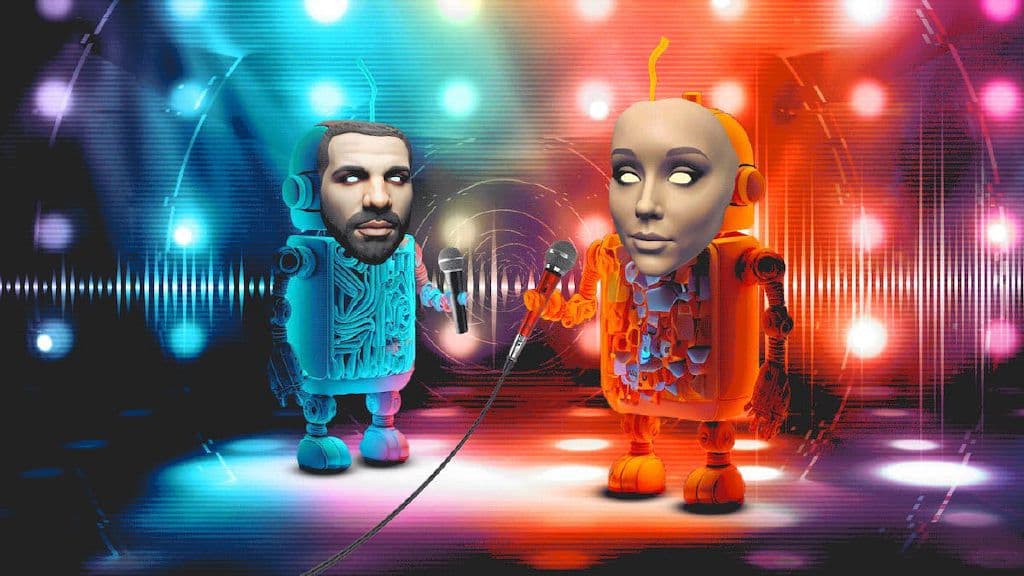
This feels different, more infringing than generative art as it’s using the artists own voice. Fair use? What about for the deceased? How would you feel about fans or the artists themselves monetizing this with little effort? https://theinformation.the.select/posts/yeyv #Artificial Intelligence
The Information
theinformation.the.select

The Information

The Voice That Launched a Thousand Deepfakes: How One Viral Song ...

 
avatar

Jerome Cody

Universal Music Group — the world’s largest music company — has teamed with the chip manufacturers on a new program pioneering “responsible AI for music discovery, creation, and engagement.” This includes a focus on “rightsholder compensation,” a hot topic in the generative AI space, particularly as it concerns music-themed products. (You’ll recall that #Artificial Intelligence music creator Suno recently settled an ongoing lawsuit with Warner Music Group over this issue.) Billboard suggests most of the work will center on Nvidia’s “Music Flamingo” initiative, which breaks down and analyzes #Tunes based on a variety of deep metrics and variables beyond just “genre” — think aspects like lyrical context, music theory, key, tempo, and harmonies — and could revolutionize music discovery, and the way algorithms recommend new songs or artists. billboard.com/pro/univers..
Universal Partners With NVIDIA AI on Music Discovery, Fan Engagement & Creation Tools

www.billboard.com

Universal Partners With NVIDIA AI on Music Discovery, Fan Engagement & Creation Tools

The Universal Music Group has inked a new partnership with AI giant NVIDIA “to pioneer responsible AI for music discovery, creation and engagement."

 
avatar

Cyril

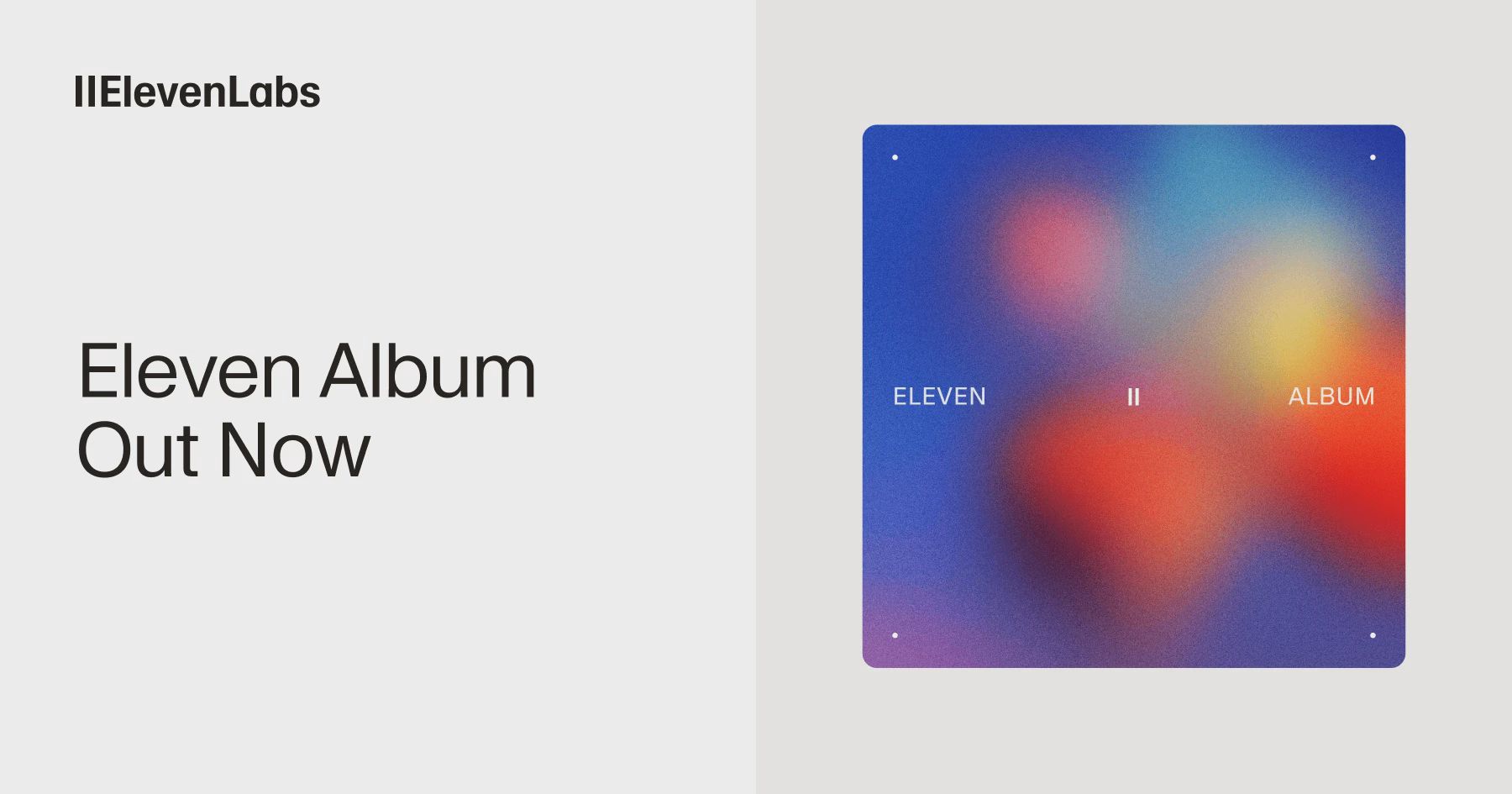
Eleven Music — a direct challenger to popular #Tunes-generating apps from companies like Suno and Udio — not only allows users to output full compositions from plain-language prompts, but aims to help established musicians “spark new ideas and accelerate their creative workflows.” This includes the ability to edit pre-existing tracks to adjust timing, add new instrumentals, shift arrangements, even alter lyrics on the fly. The new songs from major artists have been collected in what the company is calling “The Eleven Album,” and you can listen now on Spotify. Once every quarter or so, #Artificial Intelligence audio company ElevenLabs comes up with a star-studded announcement that grabs the entire industry’s attention for at least one news cycle. In November, it was the addition of iconic British actor Michael Caine’s simulated, dulcet tones to the app. This week, the company announced a new musical partnership with several noteworthy artists, who have used their platform to “co-create” an album of original songs. (The list includes Boomer faves like Liza Minelli and Art Garfunkel along with more contemporary-minded artists like singer Sunsetto and rapper IAMSU.) elevenlabs.io/eleven-albu..
Eleven Album: Converging human creativity and technology

elevenlabs.io

Eleven Album: Converging human creativity and technology

A curated body of work uniting artists to define how next-generation technology and human creativity converge.

 
avatar

Todd Smith

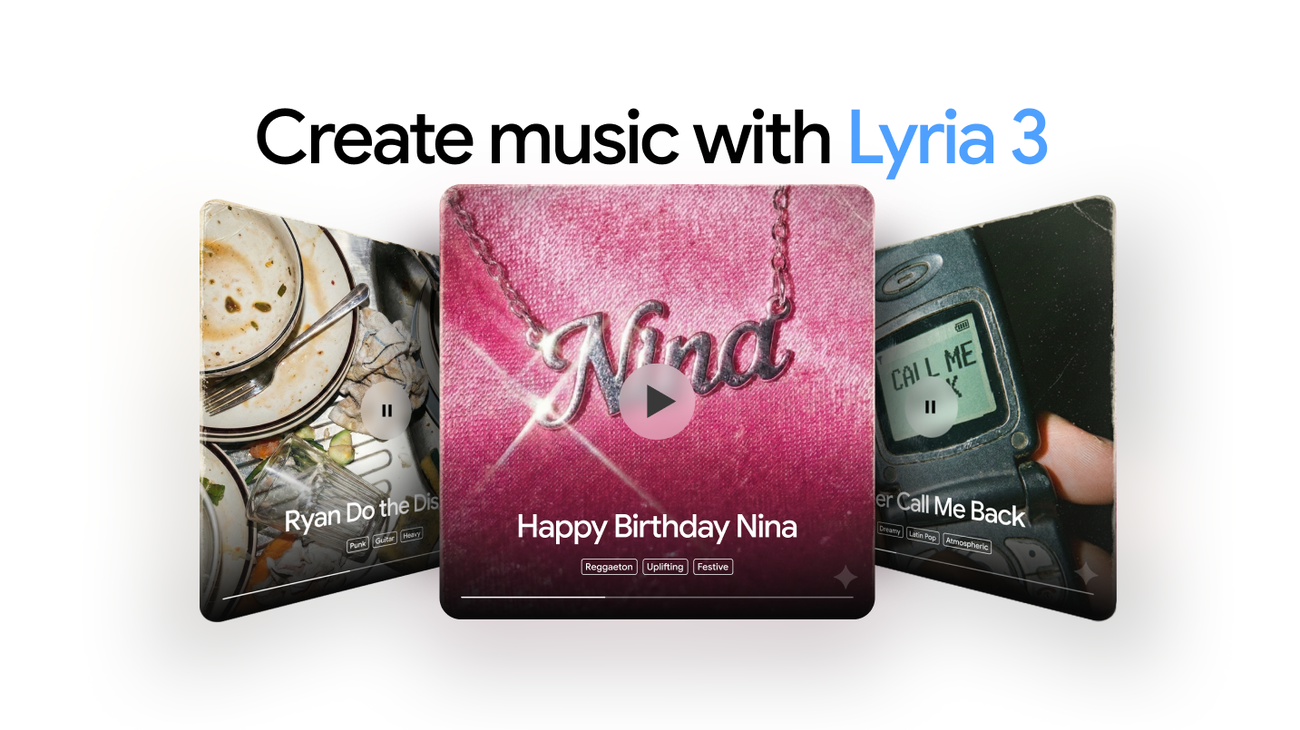
Since ChatGPT’s launch caught Google off guard, the Mountain View, Calif., giant has caught up—and lately has displayed an unending restlessness. Just this week, it put the #Tunes industry directly in its sights, releasing a new feature within its Gemini chatbot that can produce 30-second music tracks, with custom lyrics and audio. This follows recent advancements in Gemini’s ability to create images and other updates that have pushed it into front-runner status among the chatbots. The new music feature should scare the bejesus out of Spotify and the handful of startups working on #Artificial Intelligence music, including Suno, Udio and Klay, which have raised about $400 million altogether. Sure, Google doesn’t have a history as a major player in music, and its YouTube Music service is seldom thought about. But things are as topsy-turvy as they’ve ever been right now, and don’t forget: Google has just done a deal to supply Apple with AI technology. And Apple sure does have a lengthy background with music. So maybe Apple Music stops being an also-ran behind Spotify by leaning on Google AI—which, yes, is something like an oboist finally beating out a violinist for a primo solo. blog.google/innovation-an..
A new way to express yourself: Gemini can now create music

blog.google

A new way to express yourself: Gemini can now create music

Lyria 3 is now available in the Gemini app. Create custom, high-quality 30-second tracks from text and images.


Nate

Call it the invasion of the stream snatchers. There's been a growing strange phenomenon taking place on the world’s biggest music platform. Artists who had left Spotify found that, within a few months, some of their #Tunes and albums had reappeared within the app. At times, the tracks sounded like bad imitations of the original. At others, they sounded nothing like the original at all.  Regardless of their fidelity to the original, though, imitation tracks were racking up millions of streams — and generating revenue in the name of the authentic artist. this was particularly annoying to groups like the Australian psychedelic rock band King Gizzard and the Lizard Wizard, which had quit Spotify on principle last year after news that then-Spotify CEO Daniel Ek led a €600 million investment in Helsing, which makes military drones and AI tools for weapons systems. They wanted their name and works off Spotify for good. They thought they had left. How were they supposed to police their presence on the platform, when they weren’t supposed to have a presence there at all? Spotify removed a host of impostor Gizzard tracks last year after Platformer inquired. Among the challenges, the company told me, is that AI-powered music apps are making it increasingly easy to generate convincing fakes.  But the larger question remained. Spotify creates strong financial incentives for this kind of domain squatting. Would the company intervene to stop it? On Tuesday, we got our answer. The company introduced a new feature in beta called artist profile protection designed to prevent what happened to King Gizzard from happening to anyone else. The company described how it works in a blog post artists.spotify.com/_blog.. platformer.news/spotify-a..

artists.spotify.com

https://artists.spotify.com/_blog?id=1GMiPYddqPHoqWiW3epHIU&locale=en-US&ref=platformer.news

That's why we’re introducing Artist Profile Protection, an optional feature in Spotify for Artists, now in limited beta. It adds a review step before releases go live on your profile, helping you stay in control of what music lists you as an artist on Spotify.

 
avatar

Todd Smith

Sean Parker going from Napster rebel to partnering directly with the major labels for AI music is the ultimate full-circle moment. Is working with the industry the only way #Artificial Intelligence \music actually survives long-term? #Tunes theinformation.com/articl..
Sean Parker Spreads the Gospel of AI Music

www.theinformation.com

Sean Parker Spreads the Gospel of AI Music

To the music industry, Sean Parker has been many things. As co-founder of Napster, he was first an “outlaw renegade,” as he himself puts it. After his time at Facebook, his next act was as an early Sp

Embed post to a webpage :
<div data-postid="kqoe" [...] </div>
Powered bySelect·iOS·Android
Privacy|Terms|