China's AI Ecosystem and Chip Restrictions

Artificial Intelligence

The Fourth Industrial Revolution

Jerome Cody's profile picture on Select App
JC

Jerome Cody

·4 years ago
shared a media post in group #Artificial Intelligencevia#Artificial Intelligence
ChatGPT is technically blocked in China already. Nevertheless its overnight success has sparked a wave of copycats in the country’s tech sectors (Tencent, Baidu, and Alibaba all announced their own alternatives). Are any of them promising? How do they avoid getting blocked too? What might they do better than their western counterparts? #Artificial Intelligence #A Glance of China 行摄中国
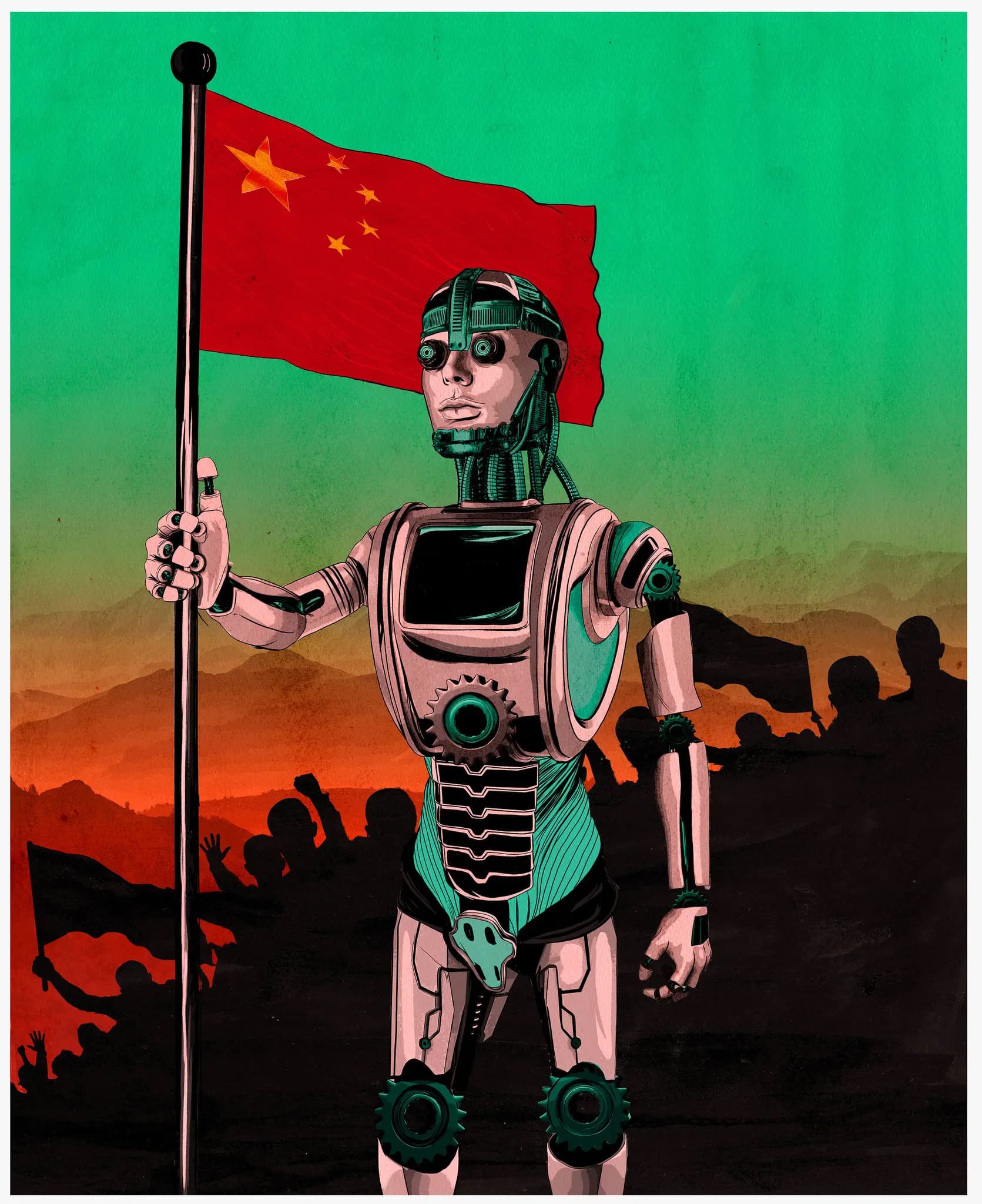
ChatGPT is technically blocked in China already.  Nevertheless its overnight success has sparked a wave of copycats in the co
 
avatar

Jerome Cody

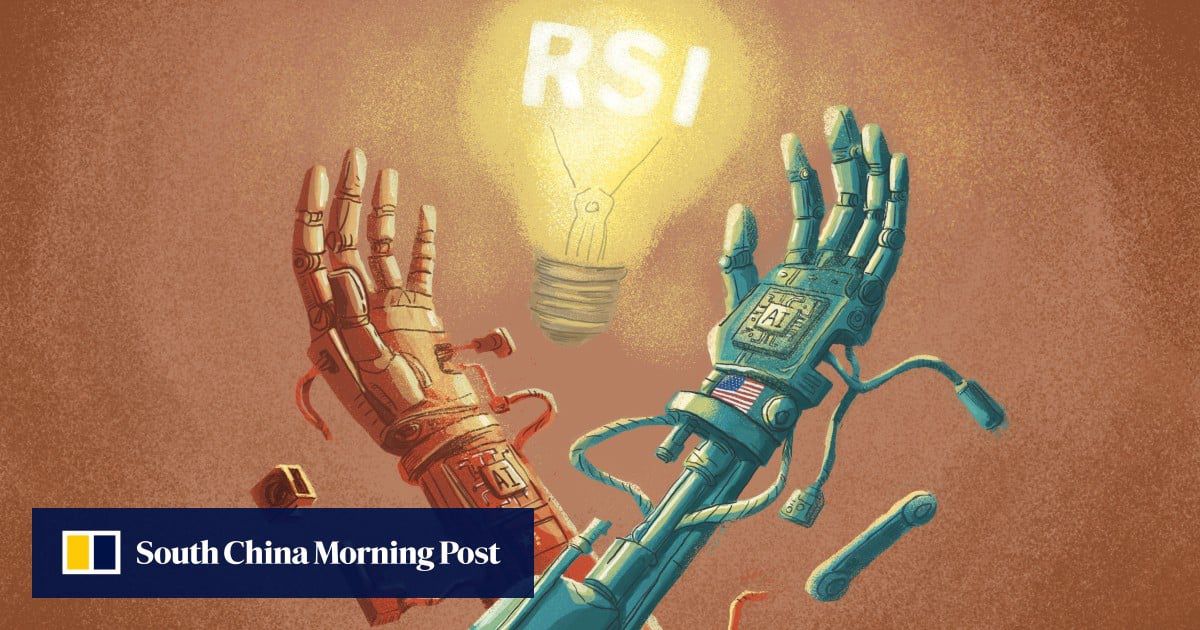
The piece opens with Jack Good’s old “intelligence explosion” idea: once a machine becomes smart enough to improve itself, it could enter a runaway feedback loop and rapidly exceed human intelligence. The article frames this as AI’s “holy grail,” because whoever reaches it first—company or country—could gain a massive strategic lead. #🇨🇳 ChinA.I. 🤖🧠🦾🤖 The US side is represented mainly by Anthropic, which says its newer models, including Mythos, are edging closer to recursive self-improvement. Anthropic has also warned about the risks of losing control once this becomes real, and has floated the idea that the world may need the option to temporarily pause AI development. The article notes that critics see some of these warnings as possibly self-serving hype. The China side is framed around rising interest in “self-evolution.” Luo Fuli, lead developer of Xiaomi’s MiMo model, reportedly told China’s Zhongguancun Forum that self-evolution will be one of AI’s biggest trends over the next year. Her claim is that developers are starting to see an “implementable and actionable path” toward AI models improving themselves. #(Cool) Dev The geopolitical point: recursive self-improvement could intensify the China–US tech war. If AI systems can automate more of AI research—model design, data generation, evaluation, coding, debugging, experiment planning—then the race becomes less about one model release and more about who can build the fastest self-reinforcing R&D loop. #Topic of War scmp.com/tech/tech-war/ar..
Could the AI ‘self-evolution’ trend add fuel to the China-US tech war?

www.scmp.com

Could the AI ‘self-evolution’ trend add fuel to the China-US tech war?

Anthropic says its Mythos model is edging closer to ‘recursive self-improvement’ as Chinese developers seek to close gap.

 
avatar

Bobby

Bobby
Anthropic published a new pape on Friday...
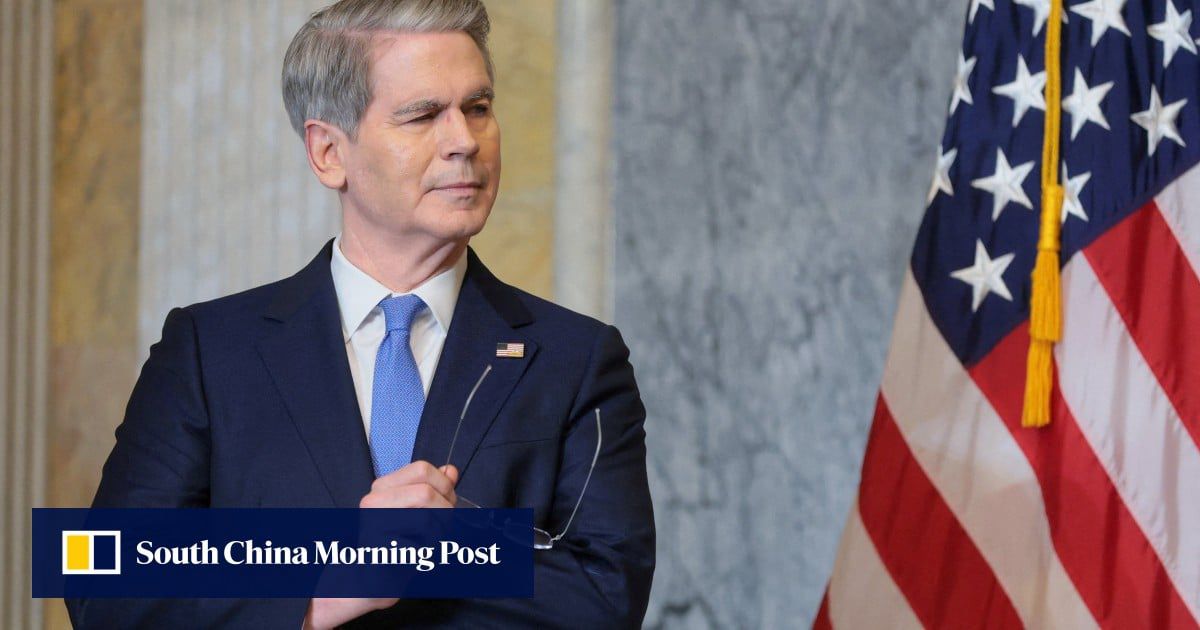
For years, decades even, the West questioned China’s ability to innovate and to invent truly original technologies. China was only capable of copying Western technology or be reliant on fat government subsidies, the critics claimed. #🇨🇳 ChinA.I. 🤖🧠🦾🤖 But this dismissive attitude has seen a clear shift in recent years as China has established itself as a global leader in a range of cutting-edge technologies, from electric vehicles to batteries. And now with AI – a technology the US increasingly intends to “win” in – it faces a competitor that is not just competitive but also fundamentally subversive in its eyes.    “The biggest risk to #Artificial Intelligence is China getting ahead of us,” US Treasury Secretary Scott Bessent said at an event last week (scmp.com/news/china/diplo..), underscoring the magnitude of the threat the Trump administration sees in China.
America’s ‘biggest risk’ on AI is China getting ahead, Bessent says

www.scmp.com

America’s ‘biggest risk’ on AI is China getting ahead, Bessent says

US Treasury secretary also warns there will be retaliation against any attempt to ‘weaponise supply chains’.

 
avatar

Bobby

According to Bloomberg, “adversarial distillation” has become a hot topic in Washington DC’s tech policy community. That is, attempts by foreign companies (specifically in China or with connections to the Chinese government) to quickly forge their own powerful, lower-cost variations of frontier AI models from US companies like OpenAI and Anthropic, by churning through millions of outputs from those models. The Claude makers have accused companies including Alibaba (makers of the Qwen suite of models) of carrying out an “industrial-scale attack” on their intellectual property, in violation of their terms of service. Apparently, lobbyists representing Big Tech have told lawmakers that large-scale distillation of US models by Chinese companies could pose an “existential threat” to the entire industry. They further warn that, once #Artificial Intelligence models can self-improve without human intervention, future distillation attacks may become impossible to monitor or prevent. But fear not, Americans: the Chinese embassy in Washington calls all of this a “groundless allegation”! So it’s probably fine. #🇨🇳 ChinA.I. 🤖🧠🦾🤖 bloomberg.com/news/articl..
Washington Is Looking to Keep China From Training Its AI on US Models

www.bloomberg.com

Washington Is Looking to Keep China From Training Its AI on US Models

Anthropic and OpenAI’s warnings about “adversarial distillation” are reinvigorating one of the oldest debates in Silicon Valley.


Tasia

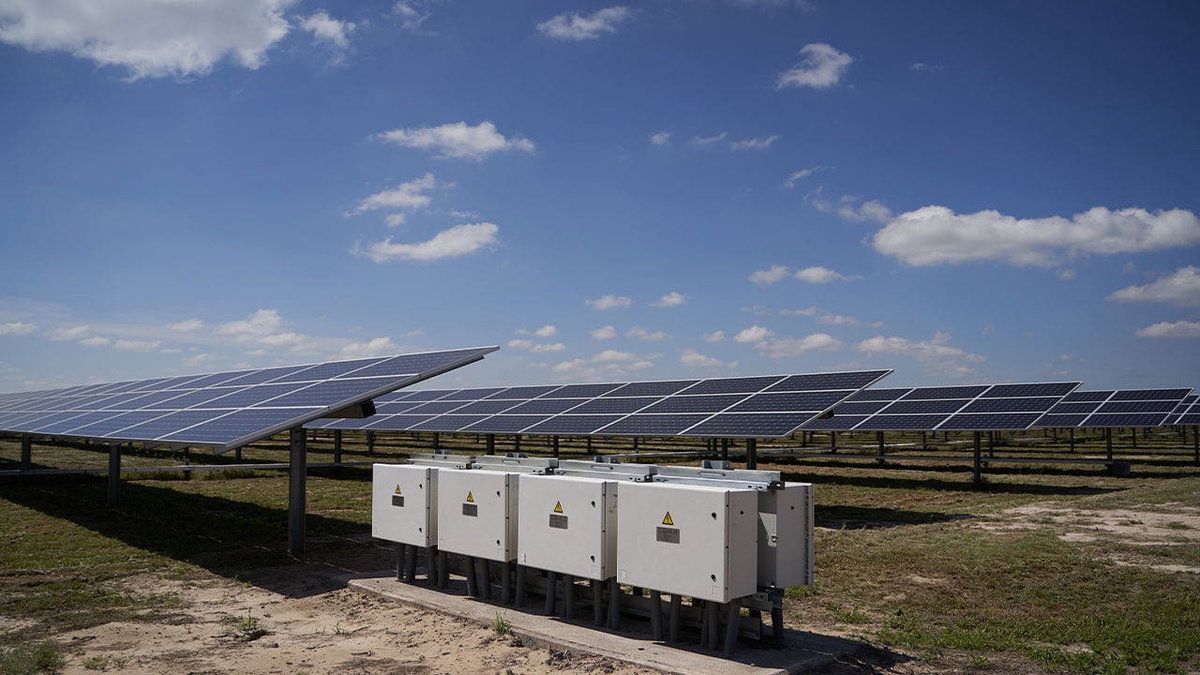
The U.S. government announced a ban on the imports of new foreign-made humanoid robots, which are mostly from China, citing national security risks. #Robotics Revolution 🦾🤖🦿 The move reflects Washington’s growing concerns about China’s critical role in the global robotics industry and its supply chain. China currently accounts for the vast majority of the world’s humanoid production. #Gadgets The Federal Communications Commission on Tuesday said it has added foreign humanoids and quadrupeds to its list of equipment and services that pose a risk to U.S. national security, preventing such robots from receiving FCC authorization to be imported, marketed or sold in the U.S. “Advanced robotic devices collect data that could be leveraged by malign actors to surveil Americans, enhance the capabilities of foreign intelligence services, or to remotely commandeer the robots,” the White House said in its National Security Determination statement. The ban applies to new models of robots, the FCC said. American consumers can continue to use robots they have already purchased, and retailers can continue to import and sell existing models of robots that previously obtained FCC authorization. foxbusiness.com/technolog..
FCC blocks new foreign-made power inverters and advanced robots over national security risks

www.foxbusiness.com

FCC blocks new foreign-made power inverters and advanced robots over national security risks

The FCC added foreign-made robot dogs, humanoid robots and other advanced robotic devices to its Covered List after national security agencies cited cybersecurity risks

 
avatar

Jerome Cody

The Trump administration is planning to ban U.S. imports of data center components from China, Reuters reported. reuters.com/world/trump-a..

www.reuters.com

reuters.com

Embed post to a webpage :
<div data-postid="wgqe" [...] </div>
Powered bySelect·iOS·Android
Privacy|Terms|